Fixed Assets
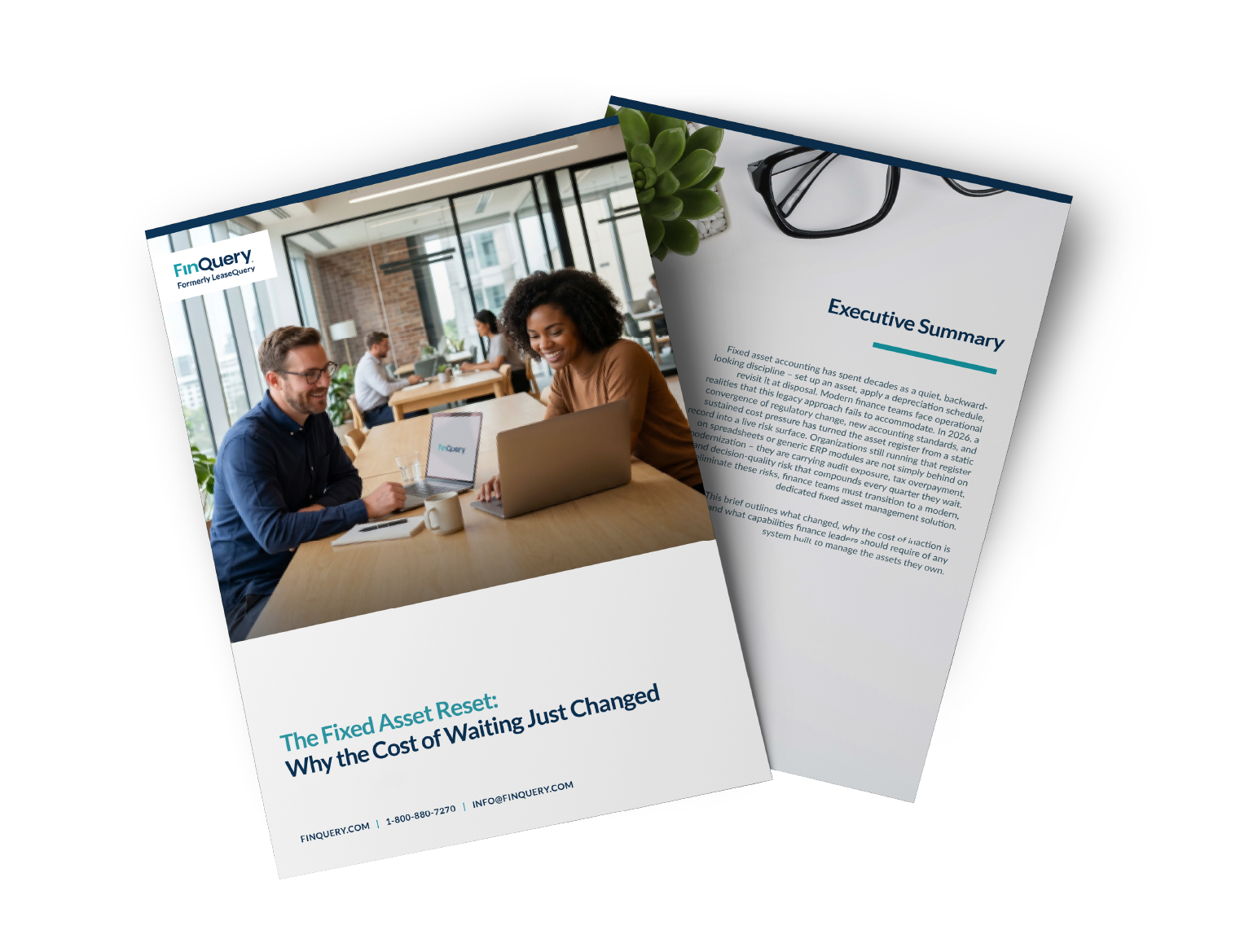
The Fixed Asset Reset: Why the Cost of Waiting Just Changed
Whether you are managing complex depreciation updates or trying to eliminate ghost assets, this executive brief equips you to modernize your asset register.
As regulatory changes, high capital costs, and strict audit scrutiny converge in 2026, corporate finance teams face mounting risk from outdated asset registers. Many organizations rely on spreadsheets or generic ERP modules, only to find manual workbooks leave them exposed to tax overpayments, ghost asset inflation, and audit restatements. Complex bonus depreciation rules, partial disposals, and constant asset transfers introduce operational friction that traditional workflows cannot handle. This brief outlines why the cost of standing still is rising and how to transition to a modern, defensible fixed asset strategy.
Download Now
What You’ll Learn:
- The 2026 Landscape Shift: Understand how permanent 100% bonus depreciation, elevated borrowing costs, and aggressive audit scrutiny are rewriting fixed asset rules.
- The True Cost of Ghost Assets: Discover why 12% to 25% of the typical asset ledger consists of phantom property—costing your business thousands in unnecessary tax, insurance, and operating expenses.
- Four Core Evaluation Criteria: Learn the non-negotiable capabilities required for modern asset management: line-by-line defensibility, human-governed AI automation, flexible historical adjustments, and unified lease/owned oversight.
- Audit Season Exposure Points: Identify where auditors are drilling down into fixed asset data hygiene, from CapEx vs. OpEx classifications to complete documentation audit trails.
- The Business Case for Modernization: Uncover how moving from manual workbooks to a dedicated subledger drives cleaner audits, lower carrying costs, and better-informed capital decisions.
- The Path Forward: Learn how to transition your register, eliminate visibility gaps, and establish defensible master data without historical data loss.